Amarillo Pavement Pros: Asphalt Repair vs Replacement for an Amarillo Lot
Amarillo Pavement Pros starts every repair-or-replace question in the same place: the base. Asphalt is a flexible surface that lasts as long as the crushed stone and soil under it hold firm. While they do, patching and resurfacing are the economical moves. Once water has softened them, new asphalt on top fails in the same footprint, and the money spent on it is lost twice. The prices matter, but they follow from that one diagnosis.
Four levels of fix, from a patch to a rebuild
| Fix | What it treats | What it leaves alone |
|---|---|---|
| Patching and repair | Isolated holes, failed spots, utility cuts | The rest of the lot |
| Overlay | Worn, oxidised or cracked surface on a sound base | The base, and any failed spot under it |
| Mill and overlay | The same, without raising the grade at curbs and doors | The base |
| Full replacement | Surface and base together, drainage reset | Nothing; it starts again |
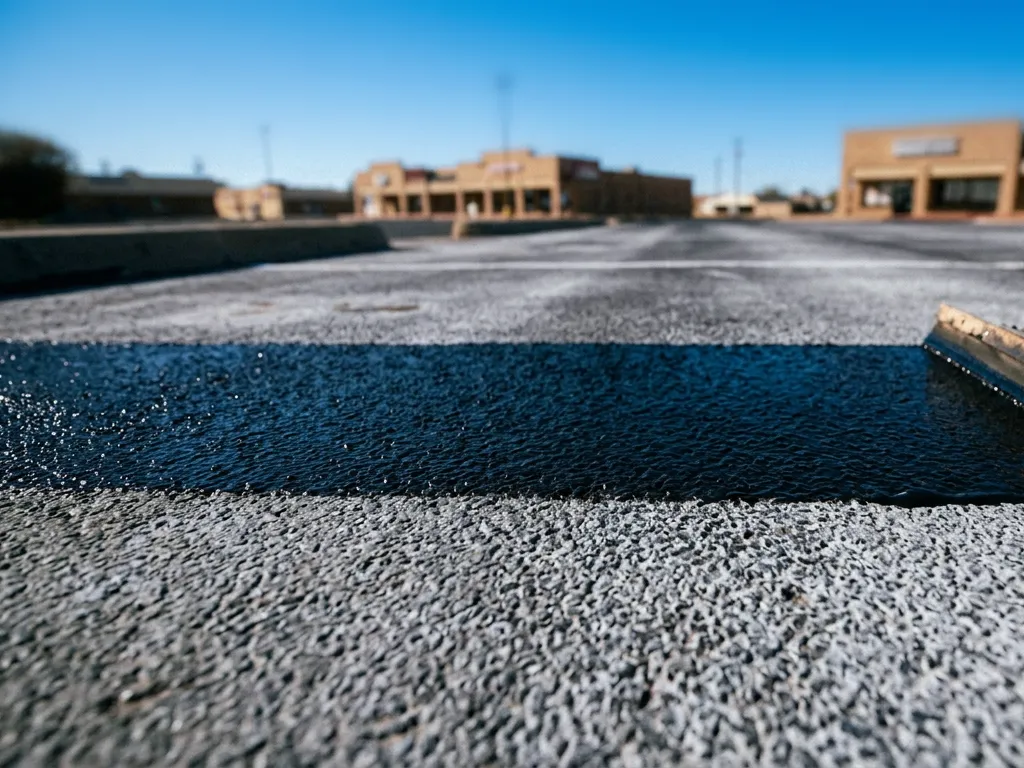
Patching is the right first move when failures are few and the pavement between them is firm. A proper patch is saw cut to clean edges, dug down to sound material, rebuilt in compacted layers and paved hot; patching a parking lot in Amarillo explains the steps. A patch that skips those steps is a lid on a soft spot.
Repair, overlay and replacement prices per square foot
| Work | National guide range |
|---|---|
| Patching and repair | $4.00 to $8.00 per sq ft |
| Asphalt overlay | $3 to $6 per sq ft |
| Mill and overlay | $4.50 to $7.50 per sq ft |
| Full-depth replacement | $8 to $15 per sq ft |
Wright Construction's 2026 comparison table gives the repair and full replacement rows on one page, and its mill and overlay figure too; the overlay row is Asphalt Repair Solutions (2026). These are national cost guides, not Panhandle rates or quotes. The top of the repair range meets the bottom of the replacement range, which is the whole argument in one line: patching is cheap per job and expensive as a habit.
National guides put a properly built overlay at 8 to 15 years; for full replacement, the same kind of guide gives 20 to 30. Neither is a promise for a particular Amarillo lot; drainage and upkeep decide where a lot lands.
Not sure whether your lot needs patching or a rebuild? Describe the cracking and the worst areas to hear what typically decides it.
Call (806) 375-4850Surface wear or base failure: reading the lot
Surface wear looks bad and costs little to stop. Base failure can look modest and costs a great deal to ignore.
- Surface signs: grey, oxidised asphalt; loose stone on the surface; scattered cracks with firm pavement between them.
- Base signs: cracking in an interlocking pattern like dried mud; potholes that return after a proper repair; fine grey material pumping up through cracks after rain; pavement that visibly moves under a loaded truck.
- Extent: isolated base failures get repaired. When failures spread between old patches, the base is going generally.
On a larger lot, core samples show the actual thickness of each layer and the condition of the base, which settles the question before the money is spent.
Why a surface treatment cannot add strength
TxDOT's Seal Coat and Surface Treatment Manual states it directly: seal coats provide no additional structure to an existing pavement, so pavements that are structurally deficient are not candidates for seal coats. The same logic runs through every surface fix. A coating, a skin patch or a thin overlay protects what is there; it does not rebuild it.
FHWA's guidance on hot in-place recycling makes the same point from another angle. That process reworks only the top 2 inches, and FHWA says pavements with structural base failure, irregular patching or the need for major drainage or grade improvements are not suitable candidates. Where the base is sound and the damage is shallow, see asphalt overlay and resurfacing in Amarillo. Where it is not, see asphalt reconstruction in Amarillo.
What freeze-thaw does to a patched lot
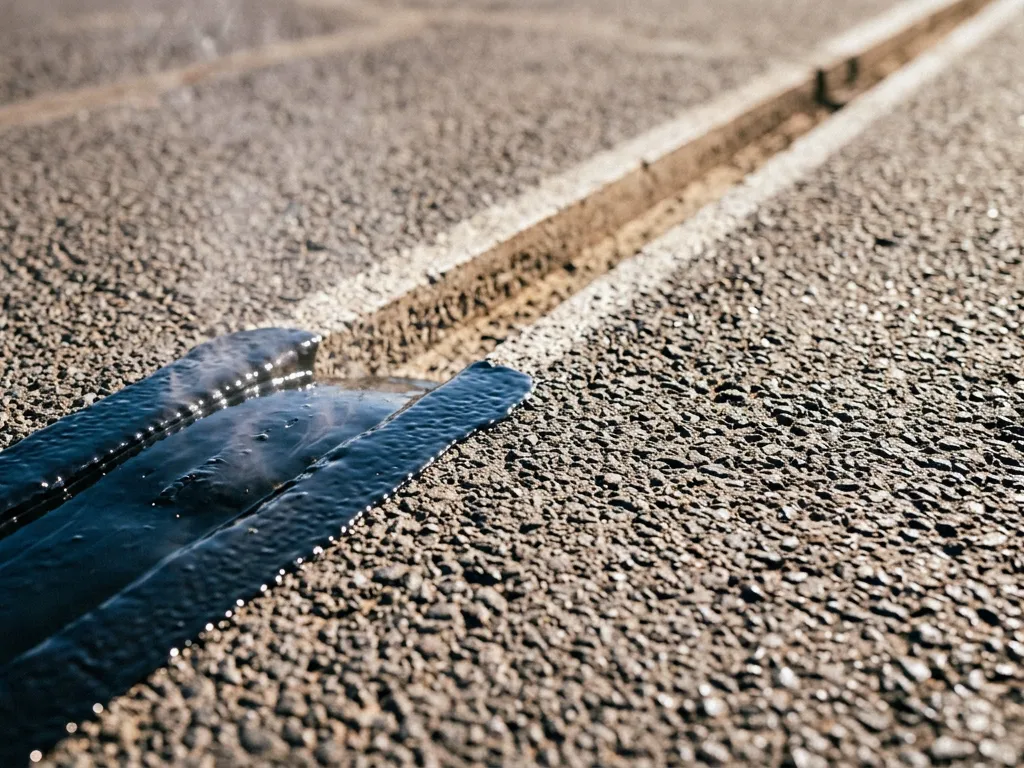
NOAA's Engineering Weather Data for the Amarillo station (1973 to 1996 record) averages about 85 freeze-thaw cycles a year. Every patch has an edge, and every edge is a seam where water can get in, freeze and pry. A lot patched many times develops cracks that trace the outline of old repairs, and at that point the patches are part of the problem.
That is why the crossover arrives sooner than owners expect. When patching would cover a meaningful share of the surface, or old patches are failing at their own edges, the same money buys more as resurfacing over a base repaired where it needs it.
Rules that a bigger job triggers
Replacement is construction, and in Texas a large enough job brings state accessibility rules with it. Texas Government Code chapter 469 sets the line at an estimated construction cost of $50,000. At or above it, the project is registered with TDLR, the plans go to TDLR before anyone applies for the building permit or starts work, and the finished job is inspected within a year. Below that figure, TDLR's FAQ says registration is not required, yet the work still has to meet the Texas Accessibility Standards.
Amarillo's Development Policy Manual also requires a building permit for any new parking space or change in an existing paved one. Replacing a lot is the moment accessible stalls are re-laid to the 1:48 slope limit rather than repainted where they sat.
Repair or replacement on the tax return
The IRS draws its own line. Under the tangible property regulations, an amount is an improvement only if it is a betterment, a restoration, or an adaptation to a new use; recurring work expected more than once during the class life can fall under a routine maintenance safe harbor. Paved parking areas appear in IRS Publication 946 as land improvements, given a 20-year class life and a 15-year recovery period under GDS. Ask a tax adviser how a particular job is treated.
Doing part of each
The answer is often mixed. Truck routes, dock aprons and dumpster pads fail long before car stalls. Rebuilding those areas full depth and overlaying the rest costs far less than treating the whole property as one condition. Owners in Canyon, about 15 miles away, face the same choice under Canyon's own permits.
Questions about a piece of ground near Amarillo? Call (806) 375-4850
Sources
- TxDOT, Seal Coat and Surface Treatment Manual, Seal Coats as a Preventive Maintenance Technique
- FHWA, Reclaimed Asphalt Pavement User Guideline: Asphalt Concrete (Hot Recycling)
- NOAA NCEI, Engineering Weather Data, Amarillo TX design criteria
- TDLR, Architectural Barriers Frequently Asked Questions
- IRS, Tangible Property Final Regulations
- IRS, Publication 946, How To Depreciate Property
Frequently Asked Questions
Asphalt Repair vs Replacement for an Amarillo Lot: Questions
Is it cheaper to repair or replace a parking lot?
Per job, repair. National guides put patching at $4.00 to $8.00 per sq ft against $8 to $15 per sq ft for full replacement. Repeated patching of a failed base can cost more over time.
How do I know the base has failed?
Interlocking cracks, potholes that return after proper repair, fines pumping up after rain and pavement that moves under a loaded truck all point to it.
Can I overlay a lot with potholes?
Not directly. Failed spots are cut out and repaired full depth first, or the new surface fails over them.
How long does an overlay last compared with a new lot?
National guides put a properly built overlay at 8 to 15 years, and one gives full replacement 20 to 30. Drainage and upkeep decide where a particular lot lands.
Does replacing a lot need TDLR registration?
Yes, once the estimated construction cost reaches $50,000. Texas Government Code chapter 469 then requires TDLR registration and an inspection within a year after the work is done.
Is resurfacing a repair or an improvement for taxes?
It depends on the IRS tests for betterment, restoration and adaptation. Ask a tax adviser before filing.