Amarillo Pavement Pros: Sealcoating Cost in Amarillo, TX: Price Per Square Foot
Amarillo Pavement Pros sets out what parking lot sealcoating costs, what kind of figure that is, and what changes it on an Amarillo lot. The short version: the rate is national, and what this climate changes is how often you pay it. Crack sealing and restriping sit outside the sealcoat price, and both belong in the same budget.
The figure, and what kind of figure it is
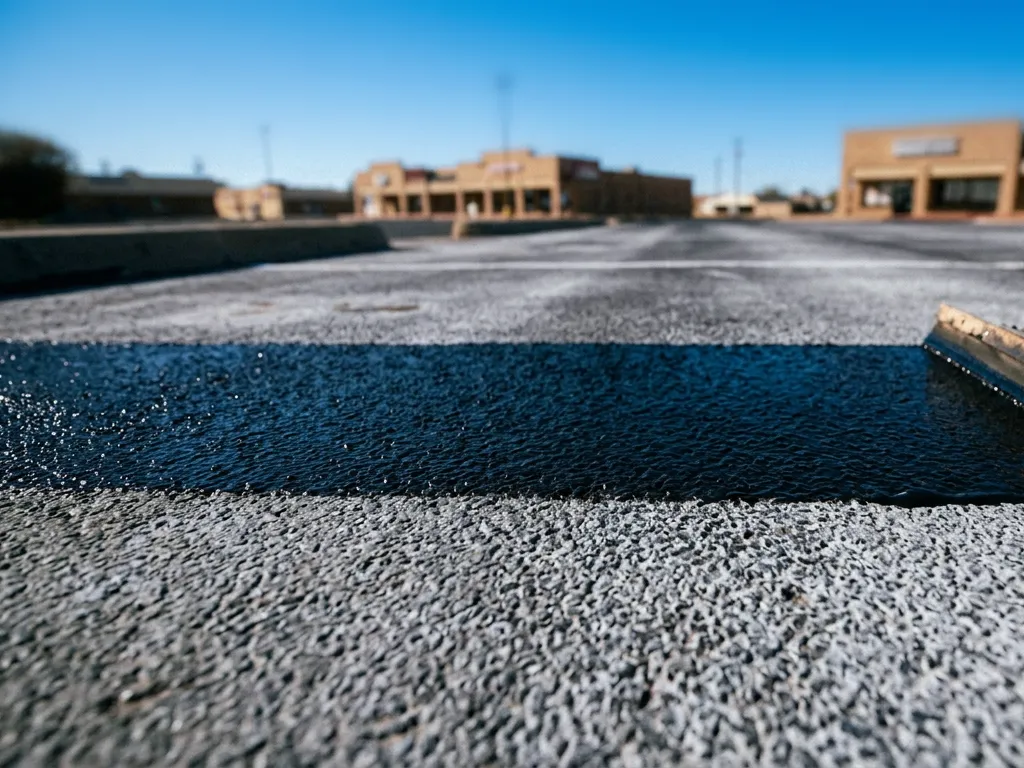
Commercial sealcoating runs $0.18 to $0.35 per sq ft (We Love Paving, 2026). That is the figure used on the sealcoating in Amarillo page, and it is worth being plain about what it is. It comes from a Northern California paving firm's 2026 maintenance cost guide: a national cost-guide figure, not a Panhandle rate, and not a quote for your lot.
Other national guides land in the same tens-of-cents territory. Most of the spread comes from counting different things: one coat or two, crack work in or out, a driveway or a lot.
From a rate to a lot
| Item | Range | Source |
|---|---|---|
| Sealcoating, per sq ft | $0.18 to $0.35 per sq ft | We Love Paving, 2026 |
| Sealcoating a 10,000 sq ft lot | $1,800 to $3,500 | We Love Paving, 2026 |
| Crack sealing, per linear ft | $0.75 to $3.00 per linear ft | Engineer Fix |
| Restriping, small to medium lot | $300 to $1,500 per lot | Walt's Paving |
| Overlay, if the lot is past sealing | $3 to $6 per sq ft | Asphalt Repair Solutions, 2026 |
The lot figure is the rate times the area and nothing else: no crack sealing, no oil-spot priming, no restriping.
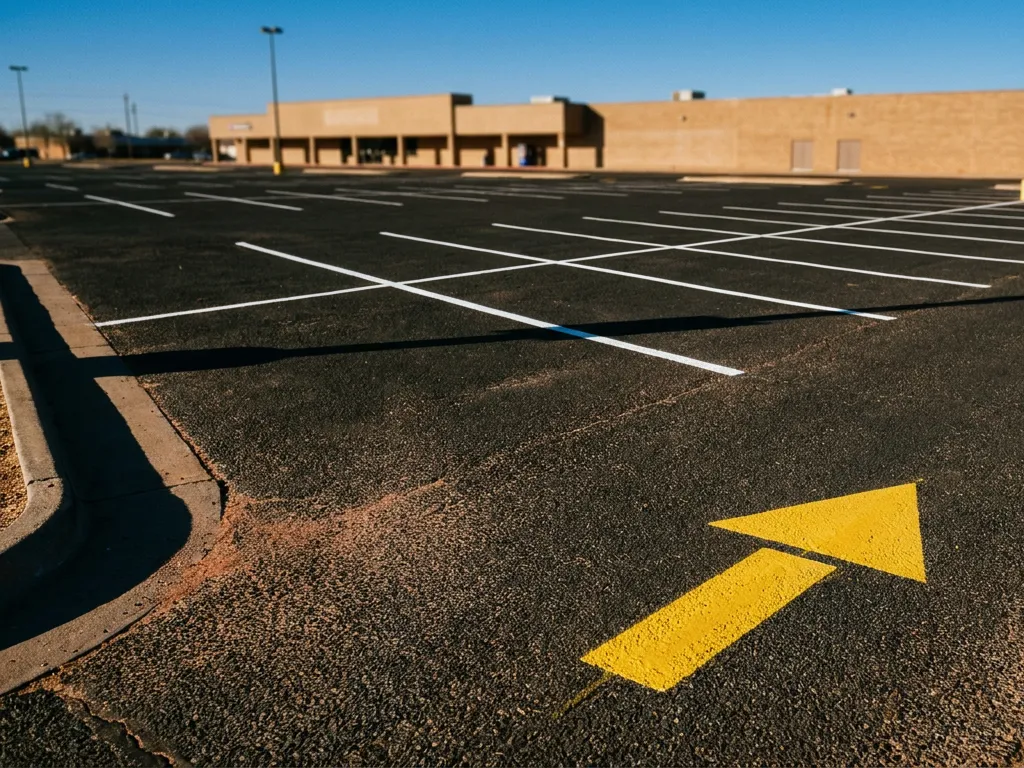
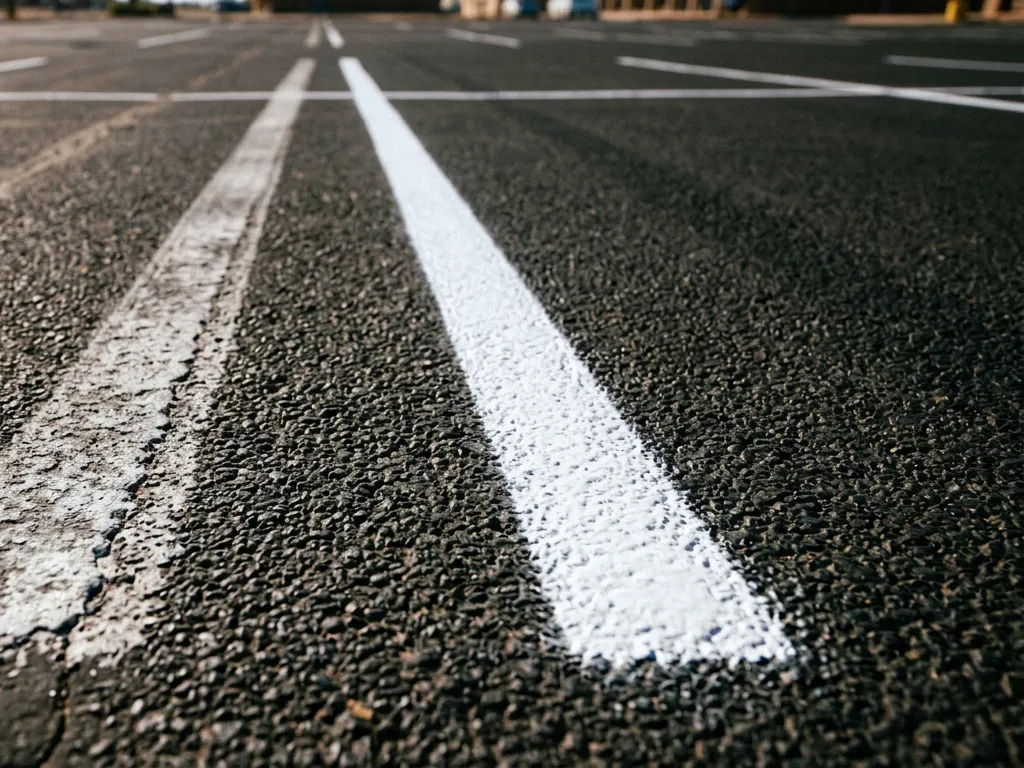
The restriping is the line most often forgotten. Sealer covers every existing marking, so a sealed lot is a blank lot until the layout goes back. A proposal that leaves it out is not a complete price for a usable lot. Parking lot striping belongs on the same proposal.
Wondering whether your lot is ready for sealcoat or past it? Describe the cracking and any potholes, and ask whether sealing is the right purchase before pricing it.
Call (806) 375-4850What moves the number on a particular lot
Preparation. The lot is swept down to a surface the sealer can bond to, vegetation comes out of cracks and edges, and oil and fuel spots are primed.
Coats. The usual application is two coats, the second after the first has cured. A single-coat price and a two-coat price are not the same job.
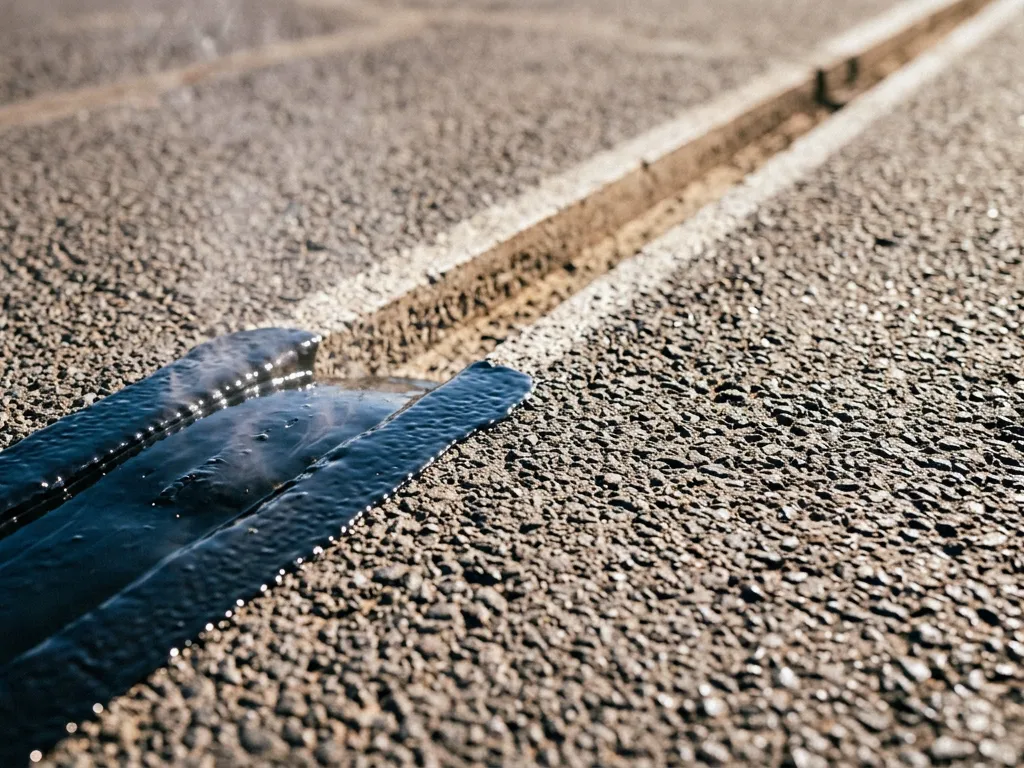
Cracks. Sealer is a thin coating and will not bridge a working crack. Cracks are sealed first, priced separately by length. A heavily cracked lot can carry more in crack sealing than in sealcoat.
Size and phasing. Mobilisation is close to a fixed cost, so it weighs more on a small lot, and a lot worked in sections takes more visits.
Whether the lot should be sealed at all. On a lot with spreading alligator cracking or potholes, sealcoat is the wrong purchase. The money belongs in parking lot repair or resurfacing first, and an overlay costs many times the sealcoat rate. TxDOT's Seal Coat and Surface Treatment Manual makes the same point about its own road seal coats: they provide no additional structure, so structurally deficient pavements are not candidates. The sealcoating or overlay guide walks through how to tell which one a lot needs.
What Amarillo changes: how often, not how much
SealMaster's published FAQ says sealcoating is typically recommended every 3 years, and that regions with harsh winter weather see faster sealcoat wear, naming moisture, freeze-thaw cycles and snow plowing. We Love Paving's 2026 guide gives every 2 to 3 years in its schedule table, and 2 to 4 in its own FAQ.
Amarillo sits at 3,606 feet, and NOAA's Engineering Weather Data for the Amarillo station (1973 to 1996 record) averages about 85 freeze-thaw cycles a year. NOAA's 1991 to 2020 normals add about 108 days a year with a low at or below freezing and about 72 days with a high at or above 90 degrees. That puts Amarillo squarely in the conditions SealMaster describes. Plan an Amarillo lot on the short end of whatever interval a guide offers, as a recurring line. Building that into a written pavement maintenance plan is what stops it being forgotten until the lot has gone grey.
One knock-on is easy to miss. Every reseal covers the markings again, so the restriping line recurs on the same cycle as the sealer.
Timing the crack work and the sealer
SealMaster also gives a temperature rule for crack sealing: in areas with cold winters, hot rubberized crack sealant is ideally applied when the air is between 45 and 65 degrees Fahrenheit, because cracks open wider when it is cool. Sealing a crack at its widest gets the material into it properly.
Sealcoat, by contrast, wants warm, dry weather to cure. In NOAA's 1991 to 2020 normals for Amarillo, the last freezing night of spring is as likely to fall before April 13 as after it, and the first of autumn as likely before October 27 as after, which roughly brackets the sealing season. The ideal timing for the two jobs is not always the same week. Separate visits to suit each temperature show up on the bid as a second mobilisation.
Accessible stalls and the same rate a short drive south
A reseal and restripe is the moment to check accessible stalls rather than simply repaint them. TDLR says a project below the $50,000 registration threshold in Texas Government Code chapter 469 still has to comply with the Texas Accessibility Standards. Repainting a stall costs $250 to $900 per stall, and on a stall that has settled out of the 1:48 slope limit the paint alone still fails.
A lot in Canyon, fifteen miles south on I-27, is priced from the same national figures and sits through the same Panhandle winters, so the case for the shorter cycle carries over. Calls are taken for Amarillo, Canyon and 20 miles around them.
Questions that make two sealcoat bids comparable
- What is the square footage, and is the price per square foot or a lump sum?
- How many coats, and is the second applied after the first has cured?
- Is crack sealing included, and if so, how many linear feet?
- Are oil and fuel spots primed before sealing?
- Is restriping included, and are the accessible stalls checked rather than simply repainted?
- How will the lot be sectioned so the property can keep operating?
Without those answers, the cheaper bid is usually the one that does less.
Questions about a piece of ground near Amarillo? Call (806) 375-4850
Frequently Asked Questions
Sealcoating Cost in Amarillo, TX: Price Per Square Foot: Questions
How much does sealcoating cost per square foot?
Commercial sealcoating runs $0.18 to $0.35 per sq ft in a national cost guide (We Love Paving, 2026), which puts a 10,000 sq ft lot at $1,800 to $3,500 before crack sealing and restriping.
Does a sealcoating price include crack sealing?
Usually not. Crack sealing is separate work priced by length, at $0.75 to $3.00 per linear ft (Engineer Fix), and it is done before the sealer goes down. A sealcoat bid that seems low against another often just leaves the cracks out.
How often will an Amarillo lot need resealing?
SealMaster's guidance is typically every 3 years, and the same source says freeze-thaw cycles wear sealcoat faster. With about 85 freeze-thaw cycles a year (NOAA), plan on the shorter end of whatever interval a guide gives.
Will a smaller lot or a driveway cost the same per square foot?
Often not. Setting up and moving equipment costs much the same whatever the size, so it weighs more heavily on a small area. The commercial rate should not be applied to a driveway without a written price.
Is it worth sealing a lot that is due for resurfacing?
No. If a lot needs an overlay, the overlay is the work, and a sealcoat on the old surface simply ends up buried under the new asphalt. Sealcoat earns its money afterwards, on the new surface, as part of a regular cycle.