Amarillo Pavement Pros: Asphalt Millings vs Gravel for an Amarillo Driveway
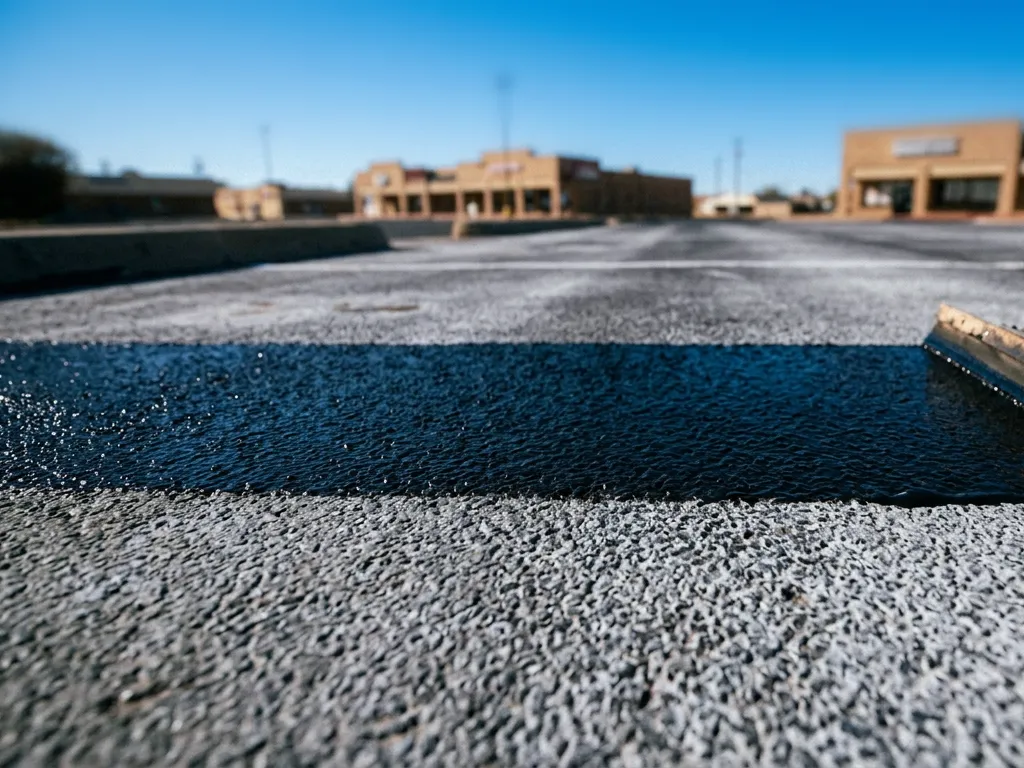
Amarillo Pavement Pros sets out the trade-off for anyone choosing a loose surface for a long drive, a shop apron or a ranch lane around Amarillo. Asphalt millings usually cost less per ton than gravel on the national guides, but the two behave differently once they are spread. Millings are old pavement with binder still on the stone; gravel is clean rock. That one difference decides how each packs, sheds water and wears through a High Plains winter.
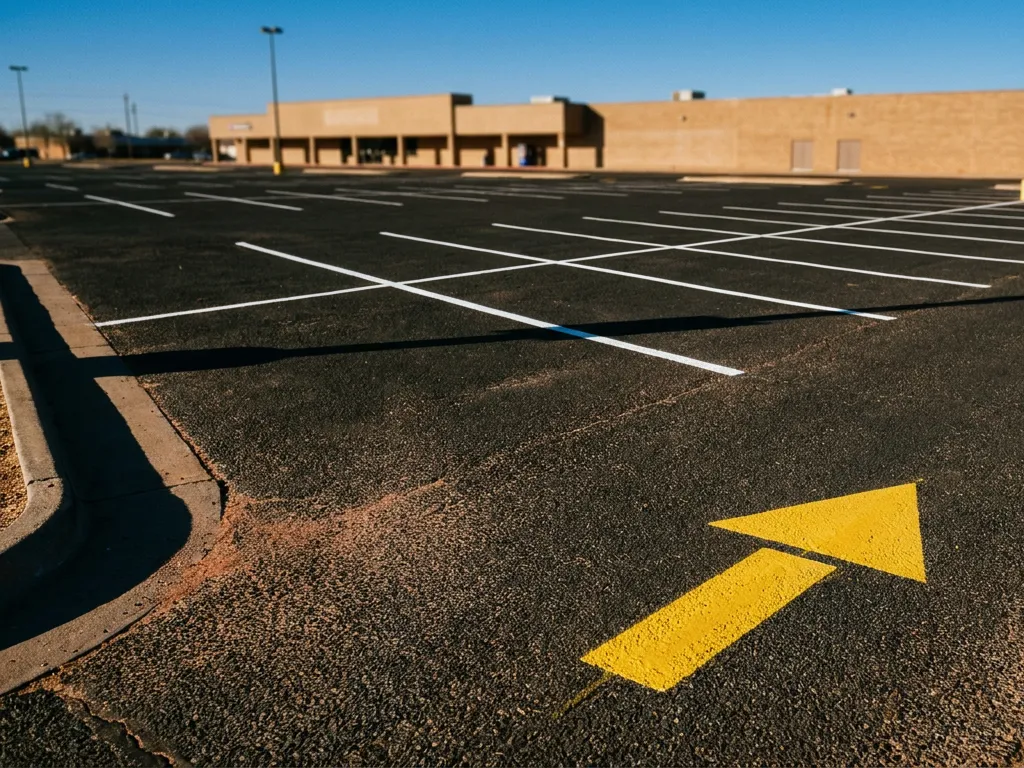
Old pavement against clean rock
| Asphalt millings | Gravel | |
|---|---|---|
| What it is | Ground-up pavement, stone still coated in asphalt binder | Crushed or screened rock with no binder |
| Where it comes from | Roads and lots milled before repaving | Quarries and pits |
| Load to load | Varies with the pavement it was milled from | Usually sold by a named size |
| Compaction | The binder coating resists it, so rolling matters | Rolled stone with no binder in the way |
| Colour | Dark grey to black | The colour of the rock |
| Also sold as | Crushed asphalt, recycled asphalt, RAP | Crushed stone, road base, crusher run |
What each one costs by the ton and installed
| Item | National guide range |
|---|---|
| Asphalt millings, picked up | $10 to $40 per ton |
| Millings driveway, installed (residential) | $3 to $8 per sq ft |
| Gravel, per ton (residential) | $30 to $100 per ton |
| Gravel driveway, installed (residential) | $1 to $3 per sq ft |
| Caliche, for comparison | $30 to $100 per ton |
The millings figures are ThePricer's 2026 residential guide, the gravel figures LawnStarter's 2026 guide and the caliche line Fixr's 2022 guide. None is a Panhandle rate or a quote. By the ton, millings start lower. Installed, the order flips: the gravel guide's per-square-foot range sits below the millings one. The two installed figures come from different guides and may cover different work, so ask each bidder whether the price includes grading, rolling and edging, and whether delivery is a separate line.
Haul distance moves both. A cheap ton at a yard across the county may end up dearer delivered than a pricier ton from a nearby yard, and millings supply depends on what a yard has stockpiled from recent road jobs.
Pricing a long drive or lane? Describe the length, width and how it drains to hear what typically drives the cost.
Call (806) 375-4850Converting tons to cubic yards before you order
Suppliers sell by the ton, by the cubic yard or both, and a drive is measured in feet. The Federal Highway Administration's guidance on reclaimed asphalt puts milled or processed material at 120 to 140 pounds per cubic foot, slightly lighter than natural aggregate. A cubic yard is 27 cubic feet, so a yard of millings weighs roughly 1.6 to 1.9 tons.
As a worked example, a drive 12 feet wide and 100 feet long at an example depth of 4 inches holds 400 cubic feet, about 14.8 cubic yards, or roughly 24 to 28 tons of millings at those weights. Treat that as a check on a supplier's figure, not a replacement for it.
Weight also hides water. FHWA notes that crushed or milled reclaimed asphalt picks up a considerable amount of water in rain, with stored material measured at 5 percent moisture or more. A ton loaded off a wet pile is not all stone and binder.
How each surface packs under a truck
Gravel is rock and nothing else. Millings bring something gravel lacks, the old binder, and FHWA's guidance on using reclaimed asphalt in granular base says that coating inhibits compaction. The same guidance says bearing capacity falls as the share of reclaimed asphalt rises, which is why it is usually blended with conventional aggregate for load-bearing use.
That is not a verdict against millings. FHWA also reports adequate bearing capacity, good drainage and very good durability where the material was properly processed and blended, and poor performance where it was not. Quality varies with the source: soil, excess stone or debris can end up in a stockpile. Ask to see the load before it is delivered, and ask whether it has been screened.
The summer-heat promise
Millings are often sold on the promise that Panhandle sun will soften them into something close to pavement. FHWA does note that reclaimed asphalt stockpiles tend to form a crust in the top 8 to 12 inches from the sun's heat. A tall stockpile at a plant is not a rolled four-inch drive, though, so treat the claim as a reason to ask questions, not a reason to buy. If a bidder promises it, ask what that promise rests on.
Water, freeze-thaw and the caprock underneath
NOAA's Engineering Weather Data for the Amarillo station (1973 to 1996 record) averages about 85 freeze-thaw cycles a year. Neither millings nor gravel is sealed the way hot mix is, so water left standing in a wheel rut seeps into the material, freezes and breaks up the surface around it.
The ground adds to it. The Handbook of Texas describes the caprock under the Llano Estacado as a hard, impervious layer commonly called caliche, so rain here has to leave by the shape of the drive rather than soak away. Whichever material you choose, shape it with a crown or a cross slope, keep it away from the low ground, contain the edges and compact it in layers rather than one deep pass.
Where caliche and hot mix fit
Around Amarillo the third loose option is the local caprock itself, covered on the caliche road and driveway page. For buying and checking a load of recycled material, see buying crushed asphalt in Amarillo. If the drive carries daily traffic or sits where water collects, price asphalt driveway paving alongside both, because the installed millings range overlaps it.
Permits for a loose-surface drive
Amarillo Building Safety does not require a permit for a driveway kept within private lot lines, but that exemption stops at the approach, where the drive meets the street. The Building Safety fee schedule sets the Driveway / Sidewalk Permit at $144. Land in Canyon or out in the county answers to Canyon or the county instead, so ask there before work reaches the road edge.
Choosing for your own drive
- Long, lightly used lane on firm ground: either works; compare delivered prices per ton.
- Drive that ruts or holds water: fix the shape first, because neither material cures a low spot.
- Daily traffic and turning trucks: price hot mix against an installed millings quote.
- Unknown load quality: see it, ask if it was screened, and get the depth and tonnage in writing.
Questions about a piece of ground near Amarillo? Call (806) 375-4850
Sources
- FHWA, Reclaimed Asphalt Pavement: Material Description (FHWA-RD-97-148)
- FHWA, Reclaimed Asphalt Concrete User Guideline: Granular Base (FHWA-RD-97-148)
- FHWA, Reclaimed Asphalt Pavement User Guideline: Asphalt Concrete (Hot Recycling)
- NOAA NCEI, Engineering Weather Data, Amarillo TX design criteria
- City of Amarillo Building Safety, Work Exempt / No Permit Needed
- City of Amarillo, Building Safety Fees
Frequently Asked Questions
Asphalt Millings vs Gravel for an Amarillo Driveway: Questions
Are asphalt millings cheaper than gravel?
Per ton, usually. National guides put millings at $10 to $40 per ton picked up and gravel at $30 to $100 per ton. Installed, the gravel guide's range is lower, so compare what each quote includes.
How many tons of millings are in a cubic yard?
FHWA puts milled reclaimed asphalt at 120 to 140 pounds per cubic foot, which works out at roughly 1.6 to 1.9 tons a cubic yard. Wet material weighs more.
Do millings pack harder than gravel?
Not on their own. FHWA says the binder coating inhibits compaction and that bearing capacity falls as the share of reclaimed asphalt rises, which is why it is often blended with conventional aggregate.
Will millings harden in an Amarillo summer?
FHWA notes the sun forms a crust on reclaimed asphalt stockpiles, but a stockpile is not a rolled drive. Do not buy on that promise alone.
Can millings go over an old gravel drive?
Often, if the drive underneath is firm and sheds water. A soft or rutted drive carries its ruts and soft spots up into the new layer.
Do I need a permit for a millings or gravel driveway in Amarillo?
Amarillo Building Safety exempts driveways within private lot lines but not the approach at the street. Outside city limits, including Canyon, ask that city or the county.