Amarillo Pavement Pros: Cold Patch vs Hot Mix Asphalt for Pothole Repair
Amarillo Pavement Pros puts the difference simply: cold patch is a stockpiled or bagged asphalt mix that goes into a hole cold, and hot mix is the plant-made asphalt most Amarillo lots were paved with. Cold patch is quick, needs little equipment and works in freezing weather. Hot mix takes a crew, a roller and a warm day, but federal pothole research recognizes it as a preferred alternative for patching. The sensible plan is often both, in that order.
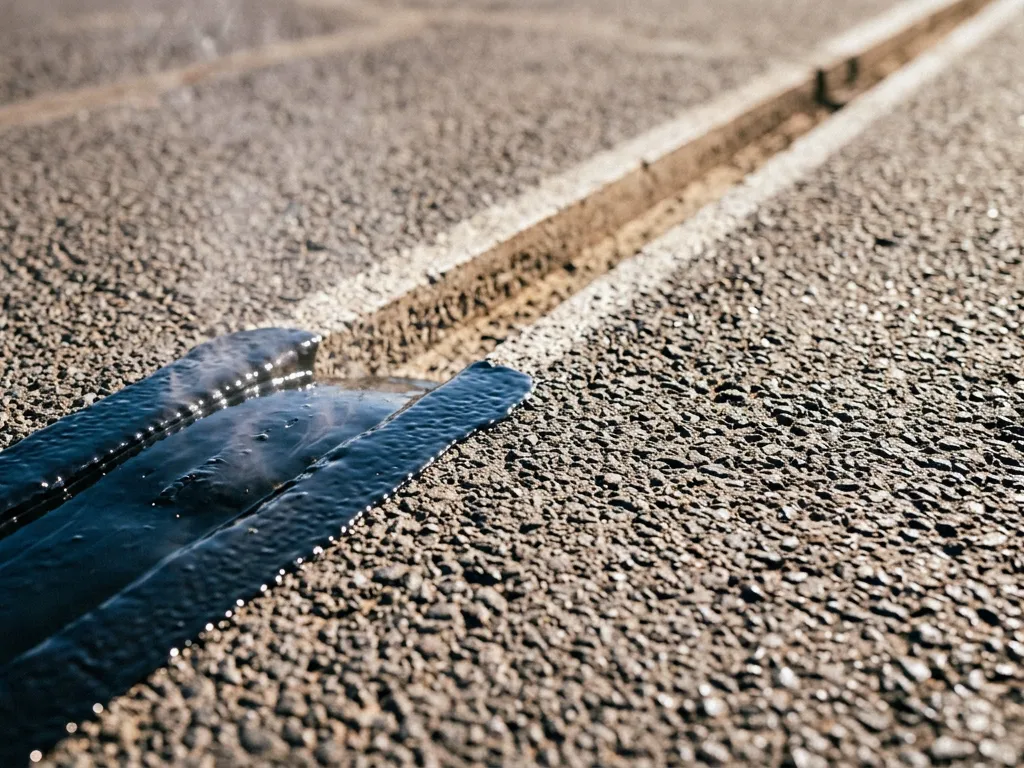
Bag in the hole against plant mix with a roller
| Cold patch | Hot mix asphalt | |
|---|---|---|
| How it is made | Asphalt and stone mixed to stay workable cold | Mixed hot at a plant, placed and rolled while hot |
| How it is sold | Bags, buckets or bulk from a stockpile | By the ton, delivered hot to the job |
| Weather | FHWA's cold-mix methods work in any weather | Placed and rolled while still hot |
| Equipment | A shovel and a truck tyre will do | A saw for clean edges and a roller or plate |
| Usual role | Stopgap until a lasting repair | The lasting repair |
| Matches the lot | No; it is a different material | Yes, on an asphalt lot |
Cold patch and hot mix prices, per ton, per bag and per square foot
| Item | National guide range |
|---|---|
| Cold patch, 50 lb bag | $20 to $40 per bag |
| Cold patch, bulk | $90 to $175 per ton |
| Hot mix asphalt, material | $40 to $150 per ton |
| Surface (skin) patch, installed | $3 to $5 per sq ft |
| Full-depth patch, cut and replace | $6 to $12 per sq ft |
The three material lines come from one Engineer Fix page; the two installed patch rates are We Love Paving's 2026 figures. None is a Panhandle rate or a quote. Ton for ton, cold patch starts higher than hot mix, and bagged material costs more again.
The material price is the smaller part of the decision, though. The Federal Highway Administration's pothole manual says the cost of materials is usually one of the least significant contributors to the overall cost of patching, and that a material which lasts longer cuts the amount of repatching needed. On a commercial lot, the real cost of a cheap patch is the second and third visit to the same hole.
Holes opening up across your lot? Describe how many and how big to hear what a hot mix repair typically involves.
Call (806) 375-4850What federal pothole research found about cold mix
The FHWA manual, Materials and Procedures for Repair of Potholes in Asphalt-Surfaced Pavements, grew out of years of field tests at sites across the United States and Canada. It covers cold mix and spray injection only, and says hot mix asphalt, although recognized as a preferred alternative for patching, is outside its scope. That one line is a useful summary of the whole comparison.
Within cold mix, the manual separates three methods by effort:
- Throw-and-roll: material shovelled into the hole and compacted with truck tyres, leaving a slight crown. The manual warns that leaving the patch for traffic to compact results in premature failure.
- Semi-permanent: water and debris removed, sides squared up until vertical sides exist in reasonably sound pavement, then the mix compacted with a roller or plate. The manual rates it one of the best methods short of full-depth removal and replacement.
- Spray injection: a specialised machine blows the hole clean and sprays binder and stone in together.
Whichever method is used, quality of material matters. The manual says a high-quality material is extremely important for winter work.
Why a winter patch is a short-term patch here
NOAA's Engineering Weather Data for the Amarillo station (1973 to 1996 record) averages about 85 freeze-thaw cycles a year. NOAA's 1991 to 2020 normals add 107.9 nights a year at or below 32 F, with even odds of a last spring freeze by April 13 and a first fall freeze by October 27.
That matters because FHWA names moisture, freeze-thaw action, traffic and poor underlying support as the usual causes of potholes. A patch placed in January goes straight back into the conditions that made the hole. The manual says winter patches have a shorter life expectancy than spring ones, describes its methods as extending them from several days to several months, and calls the goal of winter patching restoring rideability and safety, not repairing the distress permanently.
Spring is different. The manual reports that patches still in place after an initial setting period of 2 to 4 weeks were likely to last until the surrounding pavement began to deteriorate.
What Amarillo's Development Policy Manual asks of a repair
The City of Amarillo Development Policy Manual says commercial, industrial and public lots shall be paved and maintained with portland cement concrete or asphaltic concrete hot mix. It also says a pothole shall be immediately repaired with a material which maintains uniformity in the paving material.
Read together, those two lines favour a hot mix repair on a hot mix lot, with cold patch as the stopgap that keeps a hole safe until that repair can be done. They do not set a deadline in days, so ask the city if a particular case is in doubt. Property in Canyon sits under Canyon's own rules rather than Amarillo's manual, so check there before relying on it.
When the hole goes below the asphalt
Neither material fixes a failed base. If the ground under the hole has gone soft, a cold patch sinks and a hot mix skin patch cracks around its edge. The cure is a full-depth repair: saw cut, dig out to sound material, rebuild and compact the base, then pave. Parking lot repair and asphalt patching covers that work and its signs.
Where the base is sound and the damage is in the top layer, infrared asphalt repair reheats the existing surface and blends in new hot mix, leaving no cold joint around the edge.
A sensible order of work for an owner
- Hole opens in winter: fill it with good cold patch, compact it, and mark it for a permanent repair.
- Weather warms: replace stopgaps with hot mix, saw cut where the edges are ragged.
- Same hole keeps returning: suspect the base and price a full-depth patch.
- Many holes across the lot: ask whether patching still makes sense against resurfacing.
Questions about a piece of ground near Amarillo? Call (806) 375-4850
Sources
- FHWA, Materials and Procedures for Repair of Potholes in Asphalt-Surfaced Pavements (FHWA-RD-99-168)
- City of Amarillo, Development Policy Manual (March 2008), Section 9 Driveways and Parking Lots
- NOAA NCEI, Engineering Weather Data, Amarillo TX design criteria
- NOAA NCEI, 1991 to 2020 annual normals, Amarillo station USW00023047
Frequently Asked Questions
Cold Patch vs Hot Mix Asphalt for Pothole Repair: Questions
Is cold patch a permanent fix?
Rarely. FHWA describes winter cold patching as restoring rideability and safety, not a permanent repair. Plan a hot mix or full-depth repair once the weather allows.
How much does cold patch cost compared with hot mix?
Engineer Fix puts bulk cold patch at $90 to $175 per ton and hot mix at $40 to $150 per ton, with 50 lb bags at $20 to $40 per bag. Labour and repeat visits usually outweigh the material.
Which lasts longer, cold patch or hot mix?
FHWA recognizes hot mix as a preferred patching material. Cold patch placed in spring does better than in winter: patches still in place after 2 to 4 weeks were likely to last until the surrounding pavement began to deteriorate.
Does cold patch need to be compacted?
Yes. FHWA's throw-and-roll method compacts it with truck tyres, and the manual warns that leaving it for traffic to compact leads to early failure.
Why does my patch keep sinking?
Usually because the base under it has failed. A full-depth patch, priced at $6 to $12 per sq ft on one national guide, removes the soft material before paving.
What does Amarillo require for pothole repairs?
The city's Development Policy Manual says a pothole shall be immediately repaired with a material which maintains uniformity in the paving material.